Overview
About this journey
Key Highlights
What makes this journey stand out
-
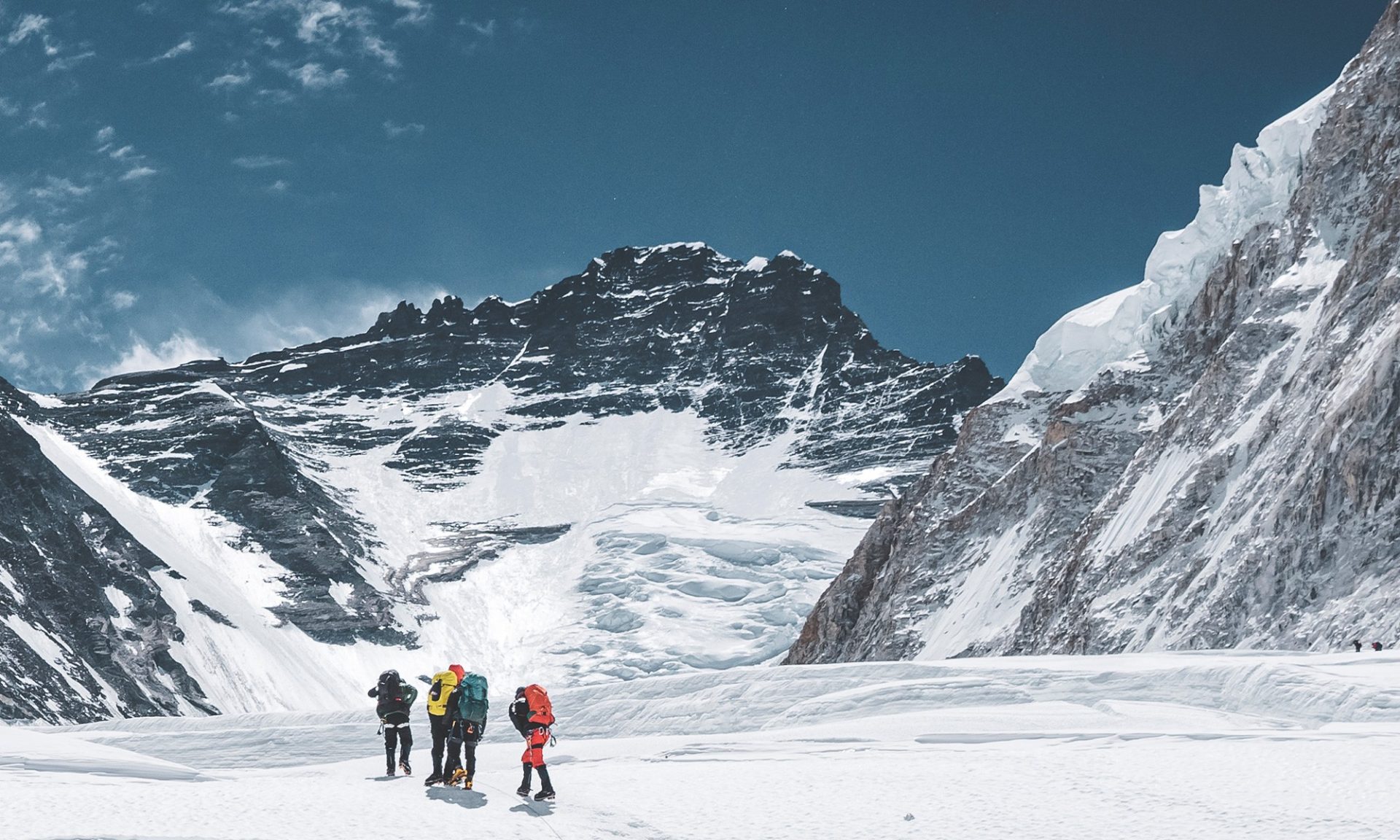
Ideal for Intermediate Climbers
These peaks are an excellent choice for climbers looking to gain high-altitude experience.
-
Less Technical than 7000m and 8000m
The climbing is often less technical, but still requires good physical fitness.
-
Training Opportunity
These peaks can serve as a stepping stone for more challenging ascents in the future.
-
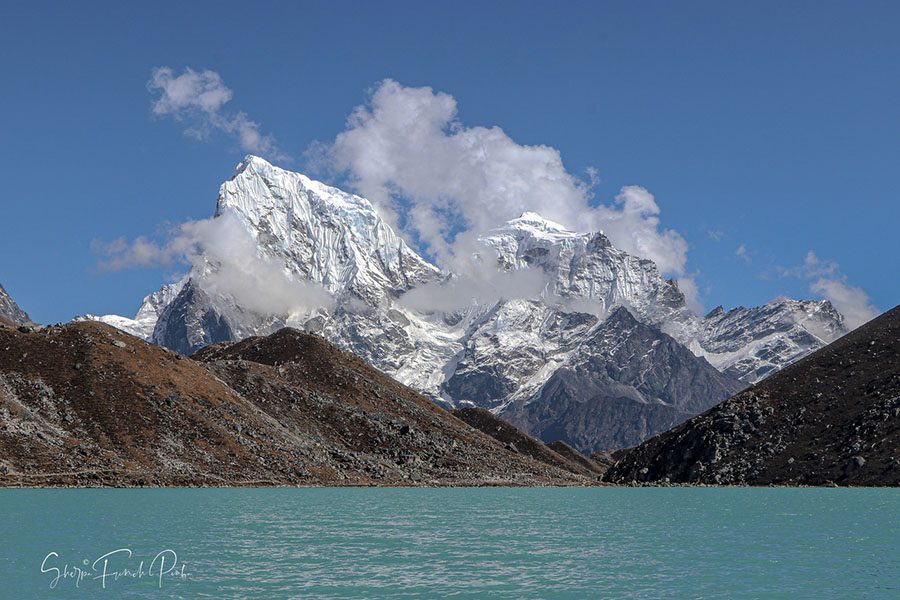
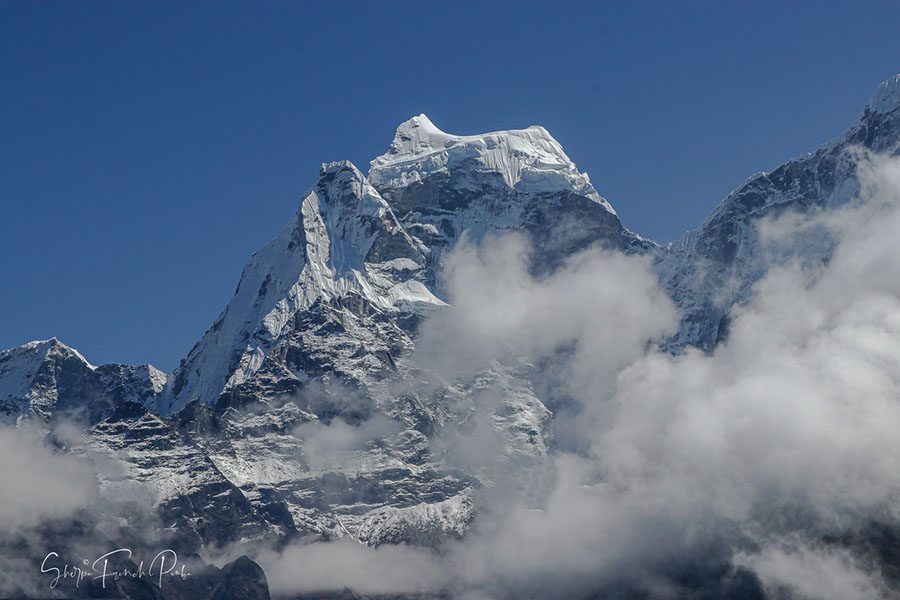
Magnificent Views
6000m peaks also offer magnificent views of the Himalayan landscapes.
Itinerary
Your day-by-day route
Costs Include
What's covered
-
ARRIVAL AND DEPARTURE: Airport - Hotel transfers – Airport (Pick Up and Drop), by private vehicle.
-
HOTEL ACCOMMODATION IN KATHMANDU: 3 nights hotel in Kathmandu (4-star category) - single room supplementary on the bed and breakfast plan.
-
WELCOME DINNER: One Welcome Dinner in a tourist standard restaurant in Kathmandu with Office’s Staff.
-
PERMITS: Expedition Royalty and a permit fee of Nepal Mountaineering Association (NMA) to climb Island Peak, Sagarmatha National Park, and Pasang Lhamu Rural Municipality entry permit and fee.
-
MEMBER TRANSPORTATION: (Domestic Flight) Fly from Kathmandu – Lukla and while returning Lukla - Kathmandu, as per itinerary.
-
FOOD AND LODGING: 3 meals a day (breakfast, lunch, and dinner; including tea and coffee) along with accessible accommodation at Hotel/Lodge/Tent during the trek and at the Basecamp.
-
DRINKING: Per day 2 Liters of boiled water per member to carry on the thermos.
-
HIGH ALTITUDE CLIMBING SHERPA: 1 veteran and government-licensed climbing Sherpa per member (1 Member: 1 Sherpa), during the entire climb from Basecamp to the summit and back.
Costs Exclude
Not included
-
AIR FARE: International flight airfare (from and to Kathmandu).
-
NEPAL ENTRY VISA FEE: Nepalese Visa fee is $50 USD for 30 Days.
-
LUNCH & DINNER: Lunch & dinner during the stay in Kathmandu (also in case of early return from Trekking / Expedition than the scheduled itinerary).
-
EXTRA NIGHTS IN KATHMANDU: Extra nights’ accommodation in Kathmandu. In case of early arrival or late departure, early return from Trekking / Expedition, domestic flight cancellation (due to any other reason) than the scheduled itinerary.
-
INSURANCE POLICY: Insurance covering both medical and high-altitude evacuation costs (for the trip cancellation, interruption, high altitude rescue & air evacuation, medical treatment, repatriation, etc.) *Mandatory
-
PERSONAL EXPENSES: Telephone Calls, Internet, Toiletries, battery recharge, hot shower, laundry, soft drinks, beers, and any Alcoholic beverages (during the trek and in Kathmandu but we will have soft drinks for members at base camp).
-
PERSONAL CLIMBING EQUIPMENT: Clothing, Packing Items, Bags, Personal Medical Kit, and all kinds of Personal Trekking / Climbing Gear.
-
TOILETRIES : Soaps, shampoos, toilet and tissue papers, toothpaste, and other items used to keep yourself clean.
Essential Tips
Things worth knowing before you go
Solid Mountaineering Foundation
6000-meter peaks are a great stepping stone to higher altitudes. You should have prior experience in trekking and basic mountaineering skills, including using crampons, ice axes, and ropes.
Good Physical Fitness
While not as demanding as 8000-meter peaks, 6000ers still require a good level of fitness. Train with cardio, strength training, and hiking, ideally at altitude if possible.
Acclimatization Strategy
Proper acclimatization is essential. Ascend gradually, include rest days, and be aware of altitude sickness symptoms. Descend if necessary.
Appropriate Gear
Use reliable mountaineering gear suitable for the conditions. This includes warm layers, a good sleeping bag, sturdy boots, and necessary safety equipment.
Experienced Guide
It's highly recommended to hire an experienced guide, especially if you are new to mountaineering. They can provide valuable guidance and ensure your safety.
Weather Awareness
Monitor weather forecasts and be prepared to adjust your plans accordingly. Mountain weather can change rapidly.
Teamwork and Communication
Good communication and teamwork are crucial for safety and success. Stay in contact with your team and guide.
Respect the Mountain
Mountains are unpredictable. Be prepared to turn back if conditions are unfavorable. The summit is not worth risking your life.
Gallery