Overview
About this journey
Key Highlights
What makes this journey stand out
-
Walking Through Remote Himalayan Villages
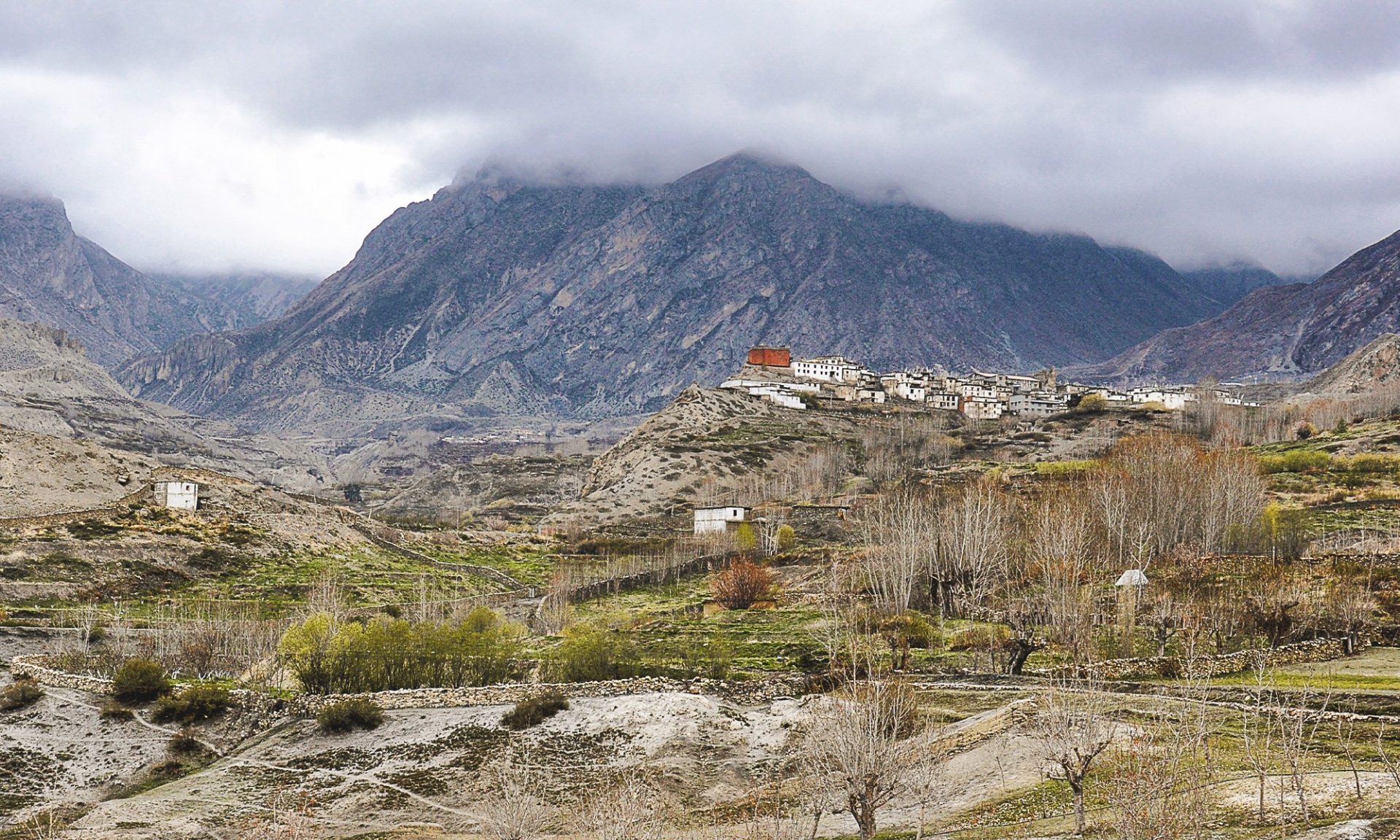
Experience the untouched beauty of Nubri and Tsum Valley, home to Tibetan-influenced cultures and monasteries.
-
Crossing the Thrilling Larkya La Pass (5,160m)
The highest point of the trek offers breathtaking views of Himlung, Cheo, and Annapurna II, making the challenge worth it.
-
Exploring the Ancient Monasteries
Visit centuries-old monasteries like Mu Gompa and Rachen Gompa, where monks chant amidst peaceful Himalayan surroundings.
-
Trekking Along the Budhi Gandaki River Gorge
Follow the roaring Budhi Gandaki River through deep gorges, suspension bridges, and cascading waterfalls.
-
Spectacular Views of Manaslu (8,163m), the 8th Highest Peak
Enjoy panoramic views of Manaslu and its surrounding peaks, standing majestically above the rugged terrain.
-
Walking Through Dense Rhododendron & Bamboo Forests
The lower sections of the trek are filled with lush forests, turning vibrant red and pink in spring.
-
Staying in Traditional Tea Houses
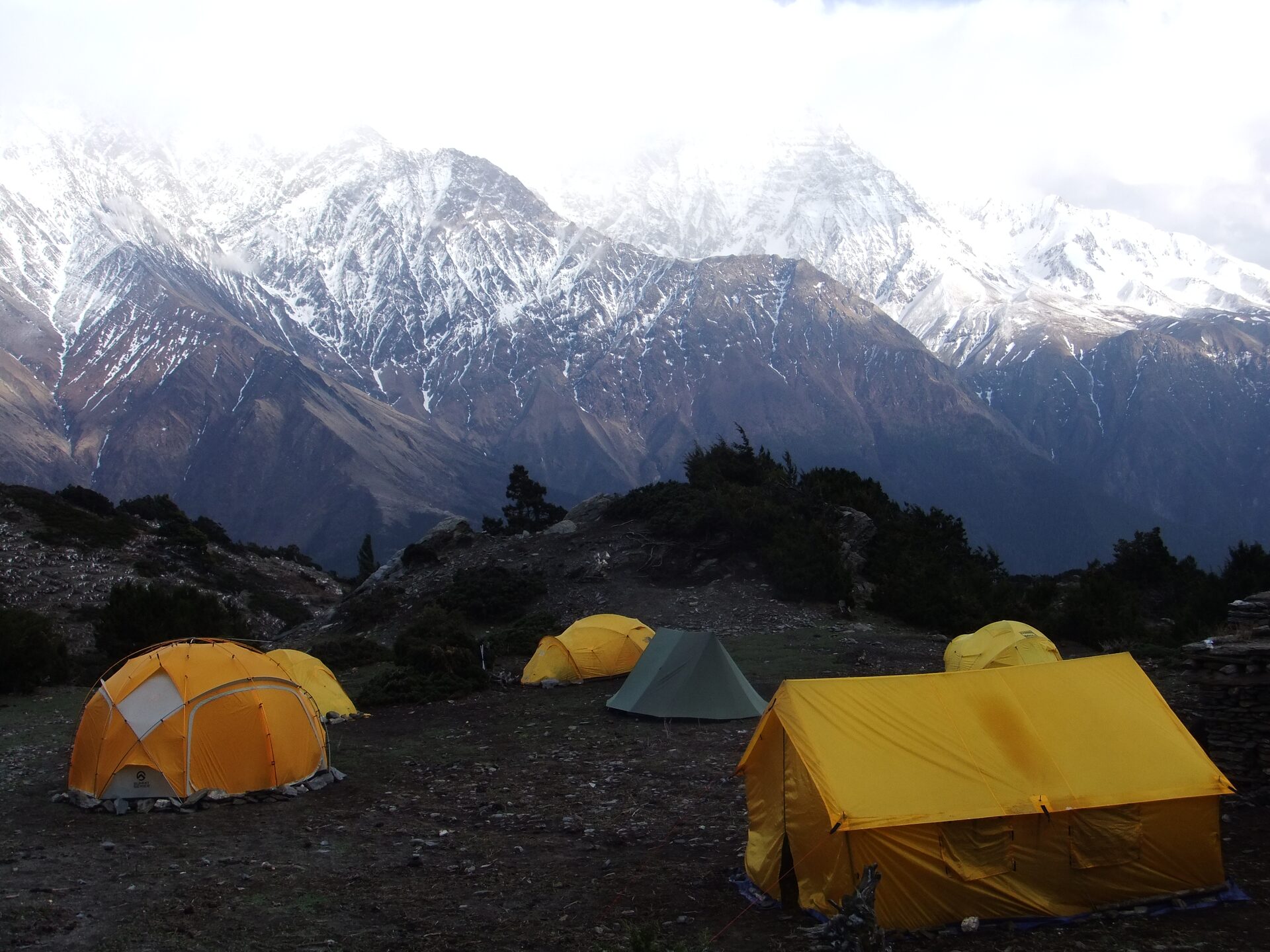
Enjoy warm hospitality in local teahouses, where simple yet hearty meals provide comfort after long trekking days.
-
A Less Crowded Alternative to the Annapurna Circuit
Experience a more peaceful trekking route with pristine landscapes and fewer trekkers compared to the more commercialized Annapurna Circuit.
-
Encountering Unique Wildlife
The Manaslu region is home to snow leopards, blue sheep, and Himalayan Thars, adding an adventurous touch to your journey.
-
Reaching the Isolated Tsum Valley (Optional Side Trip)
A hidden gem with breathtaking landscapes, ancient monasteries, and a strong Tibetan Buddhist culture.
Itinerary
Your day-by-day route
Costs Include
What's covered
-
Arrival and Departure Transport
-
Accommodation in Kathmandu and Pokhara with breakfast
-
Duffle Bag for Trekking
-
Breakfast, Lunch & Dinner during the Trekking
-
Accommodation in Tea house (mountain lodge) while trekking
-
Pokhara-Hyangja and Lumre Pokhara drive
-
Kathmandu-Pokhara drive (Tourist Bus)
-
Pokhara - Kathmandu flights (Buddha Air) with airport tax
-
Trekking Porter with Insurance (1 Porter for 2 Pax)
-
Trekking Guide with insurance
-
Trekking guide and porter's food and accommodation, wages etc.
-
First Aid kit
-
Mardi Himal Trekking map
-
Annapurna Conservation Area Project (ACAP) entry permit fee
-
Trekker’s Information Management system (TIMS)
-
Farewell dinner with cultural program
-
Water purification tablets
-
All Government taxes
-
Office service charge
Costs Exclude
Not included
-
International Airfare
-
Your travel insurance
-
Nepal entry Visa fee (US$ 30 for 15 days and US$ 50 for 30 days)
-
Drinks, Dessert, Juice, Mineral Water, Heater charge, Hot Shower during the Trekking and main meals in cities
-
Tips for Guide, Porter and driver
Essential Tips
Things worth knowing before you go
Obtain the Right Permits
You need the Manaslu Restricted Area Permit (RAP), Manaslu Conservation Area Permit (MCAP), and Annapurna Conservation Area Permit (ACAP).
Trek with a Licensed Guide & in a Group
Independent trekking is not allowed; you must hire a licensed guide and trek with at least one other person.
Train for High-Altitude Trekking
The trek involves long ascents, steep descents, and high altitudes—prepare with endurance training and regular hikes.
Acclimatize Properly to Avoid Altitude Sickness
Take rest days in Samagaon or Samdo before crossing Larkya La Pass to prevent Acute Mountain Sickness (AMS).
Pack Smart & Dress in Layers
Weather varies greatly; carry thermal layers, a down jacket, rain gear, and comfortable trekking shoes.
Start Early for Larkya La Pass
The pass is long and challenging; start before dawn to avoid strong afternoon winds.
Carry Enough Cash
ATMs are not available beyond Soti Khola—bring enough cash for accommodation, food, and any extra expenses.
Be Ready for Basic Accommodation & Limited Facilities
The trek is remote, and teahouses offer simple food and accommodation—bring a sleeping bag for extra warmth.
Respect Local Culture & Traditions
Manaslu is home to Tibetan-influenced communities; be respectful, ask before taking photos, and follow local customs.
Bring a Good Pair of Trekking Poles
The rugged terrain, river crossings, and steep descents make trekking poles a valuable tool for stability and endurance.
Gallery