Overview
About this journey
Key Highlights
What makes this journey stand out
-
Excellent Mountaineering Experience
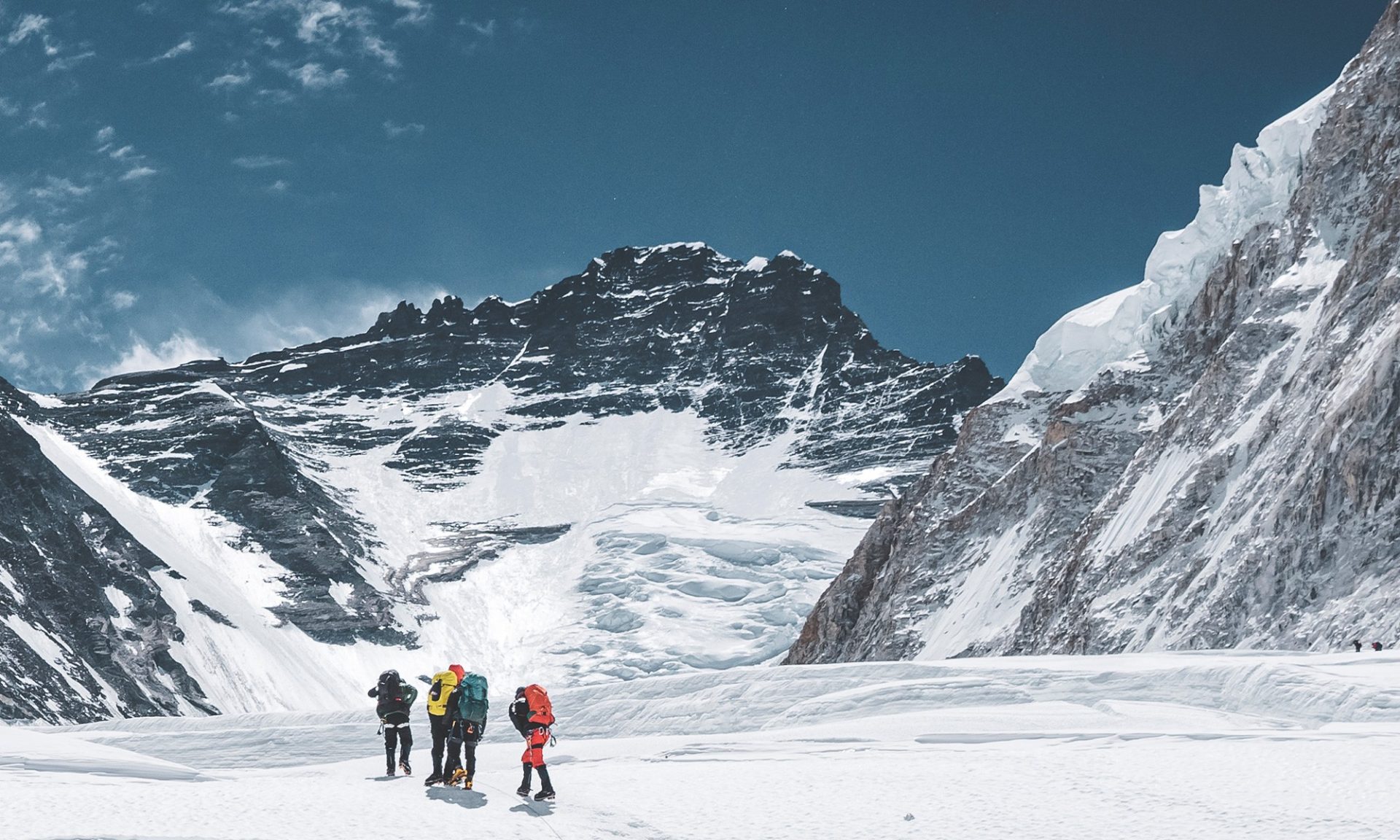
These peaks offer a challenging mountaineering experience, suitable for climbers with some high-altitude experience.
-
Fewer Risks than 8000ers
While still challenging, these mountains generally pose fewer risks than 8000m peaks.
-
Preparation and Acclimatization
Good physical preparation and proper acclimatization are essential.
-
Panoramic Views
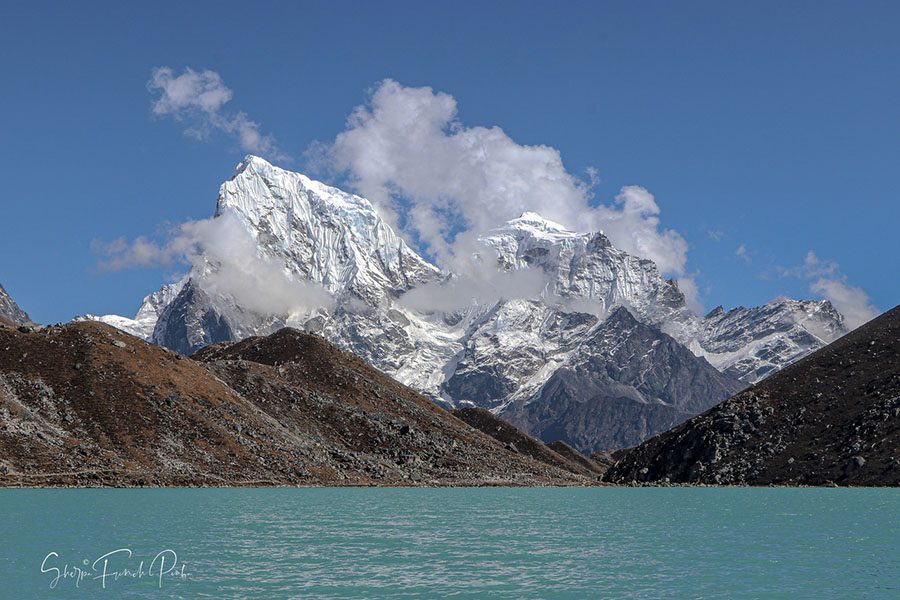
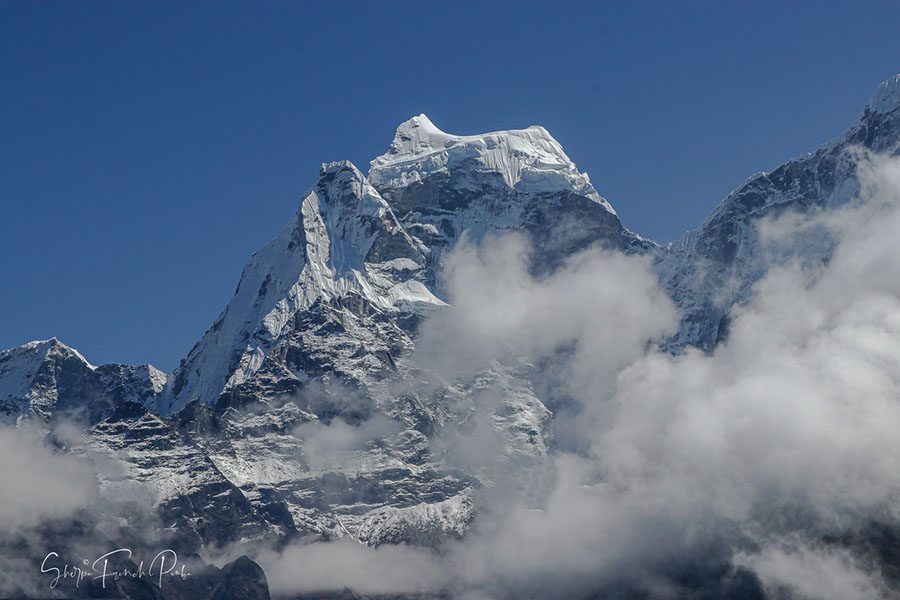
7000m peaks offer panoramic views of the surrounding mountain ranges.
Itinerary
Your day-by-day route
Costs Include
What's covered
-
ARRIVAL AND DEPARTURE: Airport - Hotel transfers – Airport (Pick Up and Drop), by private vehicle.
-
HOTEL ACCOMMODATION IN KATHMANDU: 4 nights hotel in Kathmandu (4-star category) - single room on bed and breakfast plan.
-
WELCOME DINNER: One Welcome Dinner in a tourist standard restaurant in Kathmandu with Office’s Staff
-
PERMITS: Expedition Royalty and a permit fee of Nepal Government to climb Mt. Baruntse, Sagarmatha / Makalu National Park, and Pasang Lhamu Rural Municipality entry permit and fee.
-
MEMBER TRANSPORTATION: - (Domestic Flight) Fly from Kathmandu – Lukla and while returning Lukla - Kathmandu, as per itinerary.
-
FOOD AND LODGING: 3 meals a day (breakfast, lunch, and dinner; including tea and coffee) along with accessible accommodation at Hotel/Lodge during the trek and at the Basecamp. Hygienic and fresh green vegetables, fresh meat, fruits, and soft drinks will be served during the entire expedition using helicopter flights. Well-managed base camp set up for members & Staff.
-
BONUS: Carry Bonus of Sherpas and Route Fixing Charges.
-
HIGH CAMP SERVICE (INFRASTRUCTURE AND LOGISTICS): High Altitude Tent, Necessary cooking EPI gas, cooking pot, High food for a member, Sherpa, and other crews at (C1) (C2) and (C3). Group climbing gears, fixed, and dynamic rope during the climbing period as required.
Costs Exclude
Not included
-
AIR FARE: International flight airfare (from and to Kathmandu).
-
NEPAL ENTRY VISA FEE: Nepalese Visa fee is $ 125 USD for 90 Days.
-
LUNCH & DINNER: Lunch & dinner during the stay in Kathmandu (also in case of early return from Trekking / Expedition than the scheduled itinerary).
-
EXTRA NIGHTS IN KATHMANDU: Extra nights’ accommodation in Kathmandu. In case of early arrival or late departure, early return from Trekking / Expedition, domestic flight cancellation (due to any other reason) than the scheduled itinerary.
-
INSURANCE POLICY: Insurance covering both medical and high-altitude evacuation costs (for the trip cancellation, interruption, high altitude rescue & air evacuation, medical treatment, repatriation, etc.) *Mandatory
-
PERSONAL EXPENSES: Telephone Calls, Internet, Toiletries, battery recharge, hot shower, laundry, soft drinks, beers, and any Alcoholic beverages (during the trek and in Kathmandu but we will have soft drinks for members at base camp).
-
SUMMIT BONUS : Summit bonus for climbing Sherpa- Minimum 1200 USD.
-
TIPS : Calculate some tips for Basecamp and high camp staff – Minimum 350 USD.
Essential Tips
Things worth knowing before you go
Extensive High-Altitude Experience
Climbing 7000+ meter peaks requires significant prior experience on lower 6000m peaks and preferably some 8000m experience. This builds the necessary acclimatization knowledge and technical skills.
Advanced Mountaineering Skills
Master advanced techniques in ice climbing, rock climbing, mixed climbing, and crevasse rescue. Be proficient with using crampons, ice axes, ropes, and other technical equipment.
Rigorous Physical Conditioning
7000+ meter peaks demand exceptional physical fitness. Engage in intense training focused on endurance, strength, and cardiovascular fitness, including training at altitude if possible.
Comprehensive Acclimatization Strategy
Develop a detailed acclimatization plan with your expedition team. Understand the signs and symptoms of altitude sickness and be prepared to descend if necessary. Supplemental oxygen may be considered.
High-Quality Gear and Equipment
Invest in the best quality mountaineering gear you can afford. Ensure it is appropriate for the specific conditions of the mountain you are climbing. Test all gear before the expedition.
Experienced Expedition Team
Choose a reputable expedition company with experienced guides and Sherpas who have successfully summited the peak. A strong and cohesive team is crucial for safety and success.
Contingency Planning
Be prepared for unexpected challenges such as bad weather, injuries, or logistical problems. Have backup plans in place and be flexible with your summit plans.
Respect for the Mountain
7000+ meter peaks are inherently dangerous. Respect the power of nature and be prepared to turn back if conditions are unfavorable. The summit is never worth risking your life.
Gallery