Overview
About this journey
Key Highlights
What makes this journey stand out
-
Ultimate Challenges
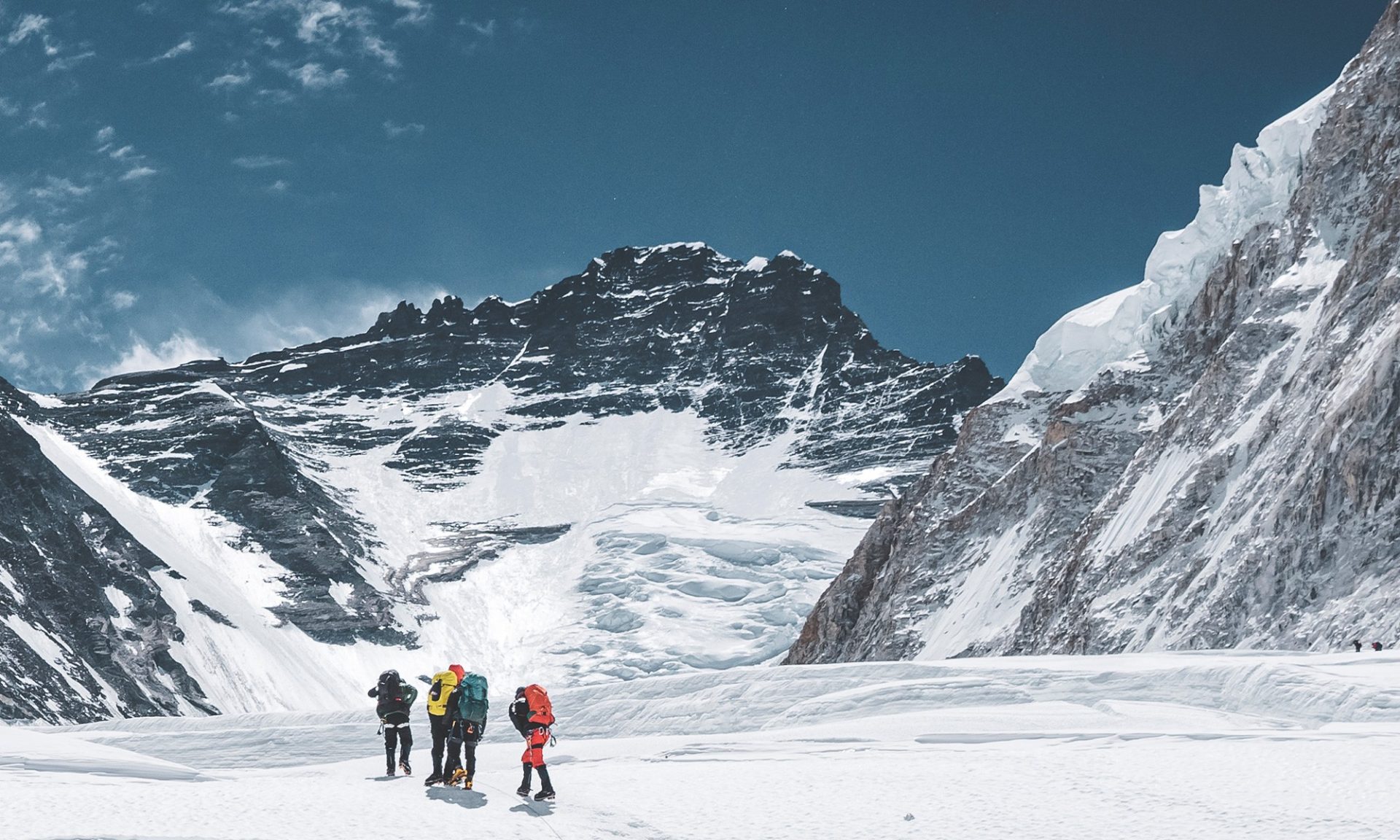
These mountains represent the most extreme mountaineering challenges, reserved for the most experienced and physically fit climbers.
-
High Altitude
The extreme altitude presents significant risks, including altitude sickness, and requires careful acclimatization.
-
Technical Skills and Equipment
Climbing these peaks requires advanced technical skills and the use of specialized equipment.
-
Unparalleled Rewards
Reaching the summit of an 8000m peak offers an immense sense of accomplishment and spectacular views.
Itinerary
Your day-by-day route
Costs Include
What's covered
-
ARRIVAL AND DEPARTURE: Kathmandu Airport - Hotel transfers – Kathmandu Airport (Pick Up and Drop) by private vehicle.
-
HOTEL ACCOMMODATION IN KATHMANDU: 6 nights hotel in Kathmandu (4-star category) - single room on bed and breakfast plan.
-
PERMIT: Expedition Royalty and a permit fee of the Chinese Government (CMA / TMA) to climb Mt. Cho Oyu, Restricted area permit and fee.
-
MEMBER TRANSPORTATION: Land Transportation (Members/Staffs): In a group basis: drive by Jeep from Kathmandu to Chinese Basecamp via Kerong Border. While returning Drive by Jeep from the Chinese Basecamp to Kathmandu via Kerong Border. (In case, if members have to return earlier than the team due to personal reasons, members have to pay their own transportation cost up to Kathmandu).
-
FOOD AND LODGING DURING THE TREK: Three (3) meals a day (breakfast, lunch, and dinner), including tea, coffee, and hot water, will be provided, along with accessible accommodation at hotels, lodges, or tea houses (sharing) during the trek. Hygienic foods will be served throughout the entire trek. (To upgrade to a room with an attached washroom, inform us earlier. Extra cost applies).
-
BASECAMP LOGISTICS (FULL BOARD SUPPORT): Three (3) meals a day (breakfast, lunch, and dinner), including tea, coffee, juice, soft drinks, etc., will be provided. Additionally, a comfortable box tent will be provided for accommodation at the base camp. Hygienic and green vegetables, fresh meat, soft drinks, and juice will be served regularly throughout the entire expedition, facilitated by helicopter flights. A well-managed base camp & advanced base camp (ABC) setup, including a dining tent, kitchen tent, toilet, and shower tent, will be available for both members and staff.
-
HIGH ALTITUDE CLIMBING SHERPA: 1 veteran and government-licensed climbing Sherpa per member (1 Member: 1 Sherpa), during the entire climb from Basecamp to the summit and back, and on each rotation.
Costs Exclude
Not included
-
AIRFARE: International flight airfare (from and to Kathmandu).
-
NEPAL ENTRY VISA FEE: Nepalese Visa Fee is $125 USD for 90 Days. (Apply for Multiple Entry Visa).
-
LUNCH & DINNER: Lunch & dinner during the stay in Kathmandu (also in case of early return from Trekking / Expedition than the scheduled itinerary).
-
EXTRA NIGHTS IN KATHMANDU: Extra nights’ accommodation in Kathmandu. In case of early arrival or late departure, early return from Trekking / Expedition, or domestic flight cancellation (due to any other reason) than the scheduled itinerary.
-
INSURANCE POLICY: Insurance covering both medical and high-altitude evacuation costs (for the trip cancellation, interruption, high-altitude rescue, air evacuation, medical treatment, repatriation, etc.) *Mandatory (Send us a copy of your insurance policy before your arrival.)
-
PERSONAL EXPENSES: Clothing, Packing Items, Bags, Personal Medical Kit, and all kinds of Personal Trekking / Climbing Gear.
-
SUMMIT BONUS : Summit bonus for each climbing Sherpa- Minimum $1800 USD. (Check the details below).
Essential Tips
Things worth knowing before you go
Elite Mountaineering Experience
Climbing 8000-meter peaks is the pinnacle of mountaineering. You must have extensive experience on multiple 7000m peaks and a proven track record of high-altitude success. Consider this the "doctorate" level of mountaineering.
Exceptional Physical and Mental Fortitude
8000m expeditions push the human body and mind to their limits. Prepare for extreme cold, low oxygen, and grueling physical exertion. Mental resilience, determination, and the ability to endure suffering are essential.
World-Class Expedition Team
Select an expedition operator with impeccable credentials, highly experienced guides, and a strong Sherpa support team. Your life depends on their expertise and judgment.
Meticulous Preparation and Planning
Every detail matters. Train specifically for the challenges of the chosen peak. Research weather patterns, route conditions, and potential hazards. Leave no room for error in your gear selection or logistics.
Embrace the Death Zone
Above 8000 meters, you enter the "Death Zone" where the human body cannot survive indefinitely. Be prepared for the psychological and physiological effects of extreme altitude. Supplemental oxygen is typically used.
Gallery